
Shifting brand demands for versioned packaging are driving digital inkjet adoption across B1 folding carton production lines
The folding carton manufacturing sector is undergoing a structural transition from traditional mass production towards mass customisation. While total packaging volumes across the industry remain high, brand owners are increasingly requesting expanded stock keeping unit ranges, additional language options, regional regulatory adjustments and smaller order quantities spread across broader product portfolios. This ongoing market fragmentation is causing average production run lengths to fall, forcing packaging converters to evaluate how efficiently their facilities can manage a complex mix of smaller, tighter turnaround jobs.
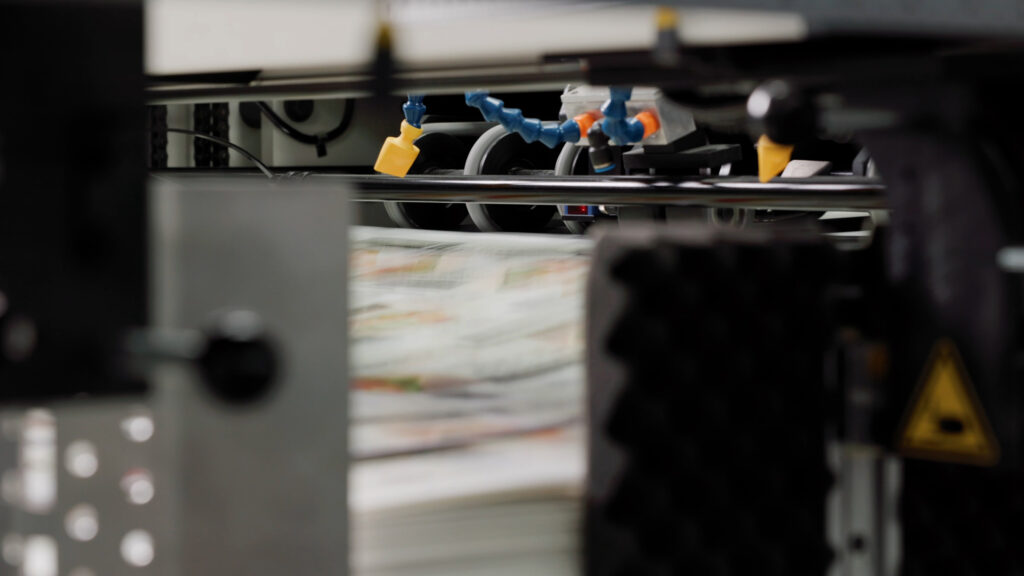 Agfa’sAgfa’s Speedset Orca 1060 digital inkjet press
To address these commercial pressures, Agfa has developed the Speedset Orca 1060 digital inkjet press, an industrial B1 platform engineered to bridge the gap between short run demand and plant profitability. The machine features three distinct operating modes to suit specific job requirements. In express mode, the press reaches output speeds up to 11000 B1 sheets per hour. Production mode operates at 7000 sheets per hour, while premium mode runs at 5500 sheets per hour for applications requiring maximum print quality and ink coverage.
The physical specifications of the press eliminate many of the setup bottlenecks associated with conventional offset equipment. The hardware operates without printing plates, reducing feeder and stacker changeover times to under five minutes between jobs. Substrate compatibility spans a broad media thickness range from 0.2 millimetre paperboard through to 2 millimetre microflute corrugated board. This material versatility allows standard folding carton packaging, shelf ready display boxes and lightweight corrugated items to be scheduled across a single production line rather than split between separate machinery setups.
The commercial impact of digital changeovers becomes particularly clear when managing multi SKU orders. For example, a six SKU promotional campaign requiring six individual plate sets and six separate makeready cycles on an offset press can be processed via six digital file changes on the Orca platform. This digital workflow significantly reduces initial setup waste, eliminates prepress plate creation costs and enables variable data printing, helping converters maintain profit margins on short, urgent or repeated job batches.
Hardware capabilities are supported by Agfa Asanti workflow software, which automates job planning and colour management in the background. This software integration helps maintain visual consistency across variable production runs while reducing operational dependence on individual prepress personnel. The platform also includes StackFlow functionality, which automatically arranges printed packaging items according to their designated delivery location, streamlining post press fulfilment and reducing handling expenses.
While conventional offset printing continues to hold an economic advantage for long, static runs where artwork remains unchanged, the proportion of short run, versioned work is expanding across daily schedules. Packaging converters integrating B1 digital inkjet as a core operational capability are better positioned to handle changing brand demands, maintain pricing control and manage fragmented job mixes without sacrificing output quality.